
I got on Substack for the bikes. Specifically, I wanted to subscribe to Spencer Martin’s Beyond the Peloton, which is not about the exercise bike (as it may seem from a first impression) but rather about professional cycling. He hosts a podcast with Johan Bruyneel – Lance Armstrong’s former team director – about the ins and outs of the sport. One of the great mysteries of modern cycling is how to watch it in the United States, and Spencer had posted a guide for what we currently know and do not know about the subject. So I went looking and found not only that newsletter but also a beloved Stage IV cancer survivor.
If you don’t know about Kate Bowler, you should. She is the walking embodiment of Wendell Berry’s line “be joyful though you have considered all the facts.” Bowler reminds me that each of us is not a collection of problems to be solved but a person to be loved. So to have found her writing on Substack feels like a big gift, especially this far into winter.
“If you want progress, take up running. If you want meaning, run a church.” So said Kate Bowler in a recent post. I appreciated this advice because I had been a long-distance runner for many years, through times where it was hard to discern appreciable progress in many other areas of my life. I also travelled fairly frequently and collected runs in the way some people collect refrigerator magnets. There was that day beside the Schuylkill in Philadelphia, the run around the Reservoir in Central Park, an accidental half-marathon along the San Francisco Bay, and even a decent 5K on the shores of the Sea of Galilee. (Running beside water is the best, IMHO.)
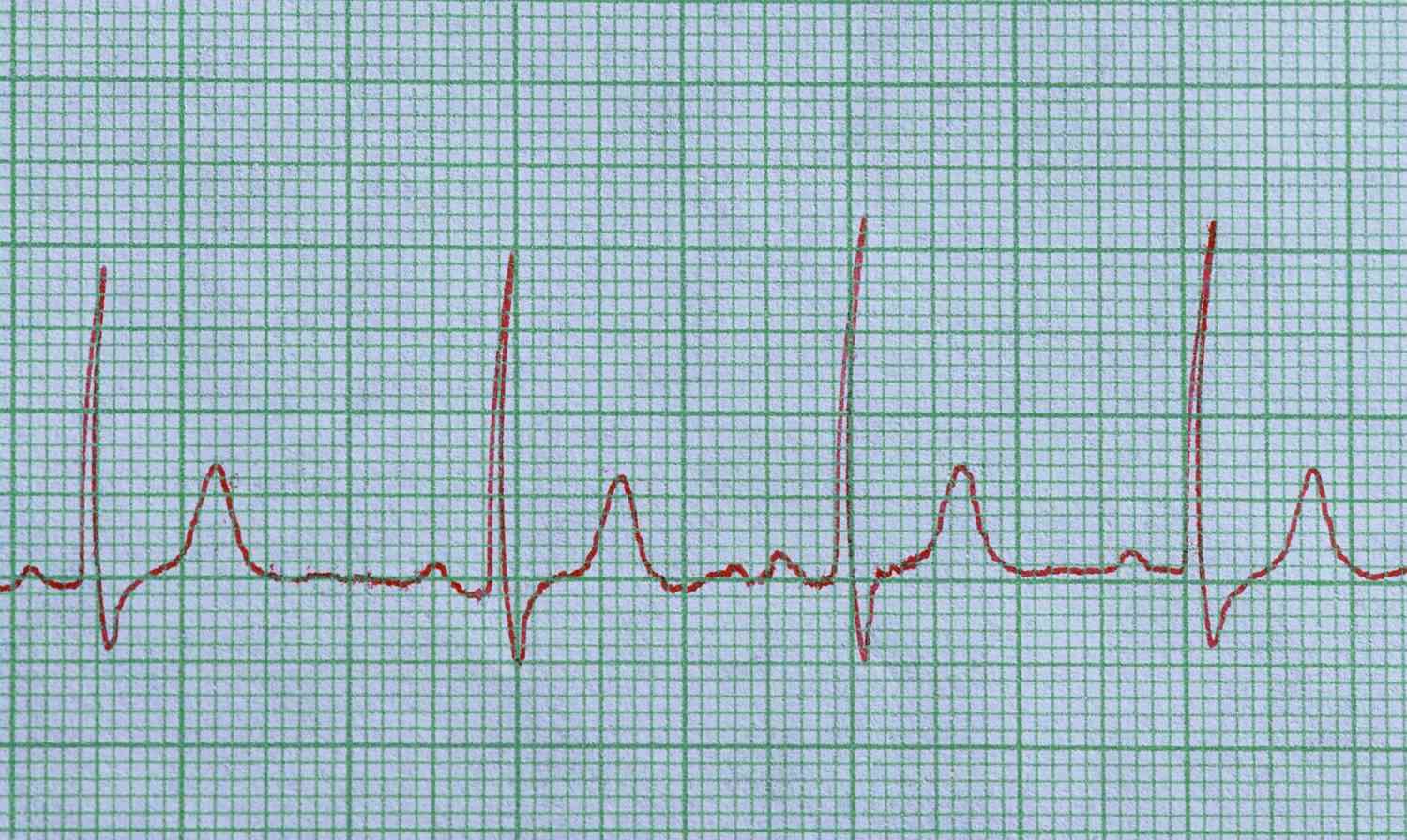
For a while, however, running seemed to have abandoned me. Or more truthfully, I abandoned it. In fact, running stuck around in my body to the extent that several years ago, when I got to have a bunch of test as the result of an event that turned out to involve my metaphorical but not actual heart, the medical professionals were oohing and aahing over my sinus rhythm and asking if I “used to be a distance runner.” I though the “used to be” was unnecessary, even though it was true. And I wanted it to be true again.
Twenty years ago, if I had stopped running for an extended period I could usually count on it taking about three weeks before running stopped sucking. After that, I would start to notice things other than my labored breathing and searing quadriceps. I could tell the effects of my posture and whether or not I was using my whole foot in a way that I think professionals call “toe-off.” I could take notice of the light on the water beside me and the turnover in my stride.
Things have changed. I have been slowly getting back to running with progress that was so slow that I thought I might just be a walker now. (So much for Kate Bowler’s advice.) Having to acclimate to altitude after moving from 2,300 ft to 5,000 ft didn’t help things much either. It has taken at least three months of actual running, and many more in preparation for them, to have a morning like this one.
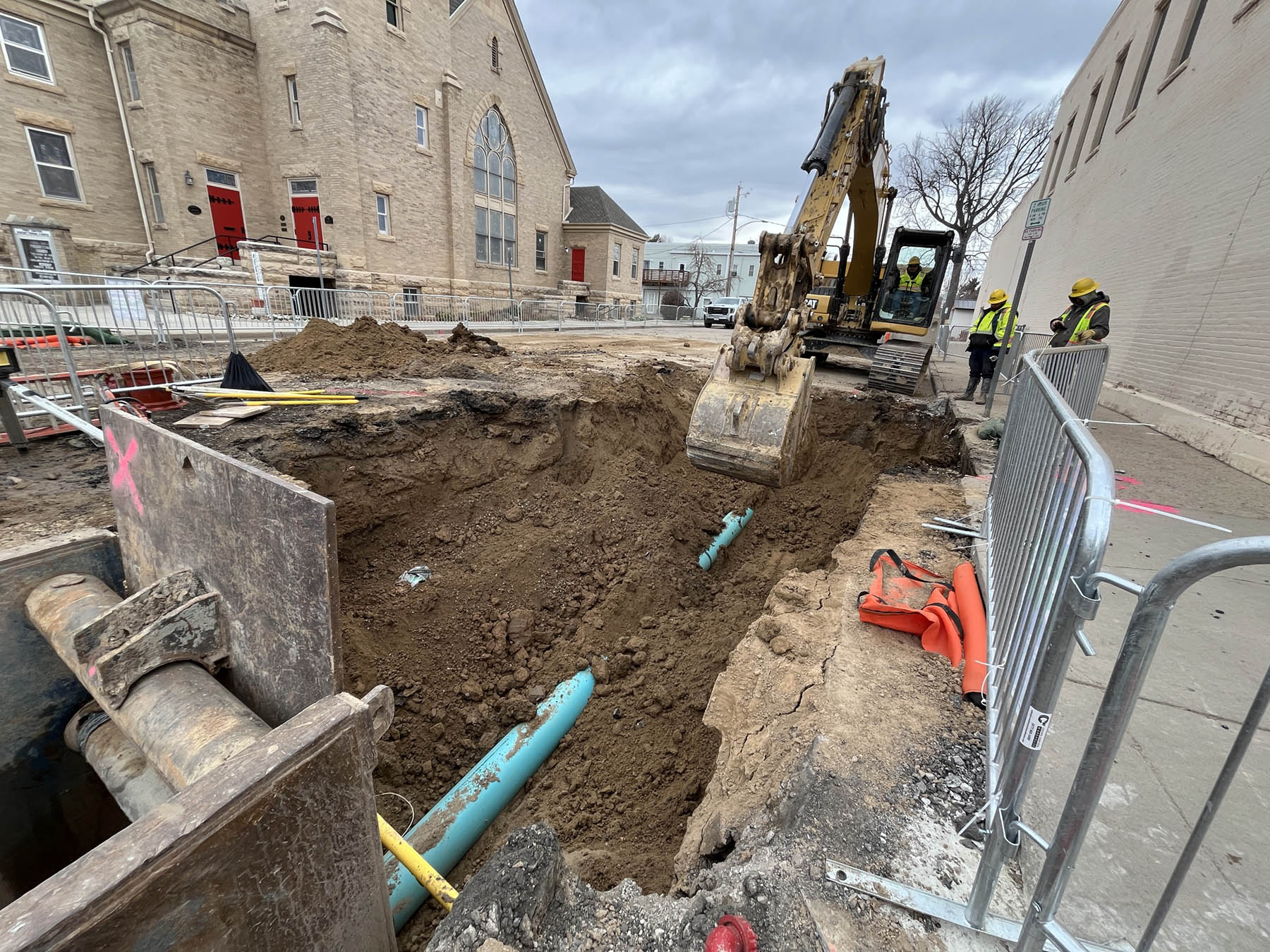
Because today, as the rosy fingers of dawn swept up from the plains to brush the Front Range, I set out for a gentle run through the heart of my current hometown. Much of the town’s aorta is being reconstructed so as to be more picturesque, and a laborer clad in Carhartt directed me to a safe passageway. I like running through streets that are just starting to awaken almost as much as I like running beside water.
A few turns brought me alongside water, albeit the frozen lagoon adjacent to City Hall. Looping around the erstwhile hokey rink, I got my first time split: 10:07. Not bad for a gentle run, and I was starting to feel my ankles loosen and my feet perform like, well, feet and not just landing pads for my calves. Oddly, I could even breathe.
Turning on to a bike path, I strode beside an empty canal. Seriously, water is a relatively scarce commodity here so the built environment is dictated less by cow paths or wagon roads and more by where the first anglos built their ditches. At some point in the summer, whoever owns the water will receive it through that canal. And I will be running beside water again, for when I returned to a municipal street, I was actually running. My second split was 9:40.
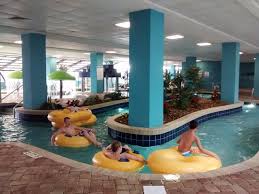
Winding back towards the lagoon, I passed the large windows that enclose the public pool. Senior citizens were floating in the lazy river, and some of them might even have been doing water aerobics. I’d do water aerobics if I could do them in a lazy river. Instead, I was turning my sights back toward home. This meant another pass through the ventricles of the city.
I’m enough of a typical dad to enjoy marking the progress of a construction site. The progress here seems relatively rapid. Maybe they learned some lessons from earlier phases, or maybe they took longer on those so that this one might go more quickly. In any event, I had two major intersections to pass through; they were two possibilities for a chance to catch my breath. Neither one materialized because the lights turned in my favor just as I arrived. Why could I not have been unlucky, like so many times before?
The answer may be that Hermes wanted to show me that I had returned to the fellowship of the swift of foot. Ok, somewhat swift of foot. My third and final split came in at 9:45. For the first time in at least three years, maybe more, I had run three miles in less than thirty minutes. I felt the turnover in my stride and the toe-off of each step. I was conscious of more than just my breathing. I had, at last, connected to this place as I have to so many others. I have made progress.