
A couple of weeks back, I took a hike up the Greyrock trail, a path rising up on the north side of the Cache la Poudre River. The Cache la Poudre may have gotten its name when a French fur trapper stored his supply of gunpowder along its banks. Colloquially, it is known as the “Pooder.” So, it was out of the Pooder Canyon that I ascended on my way to Greyrock mountain.
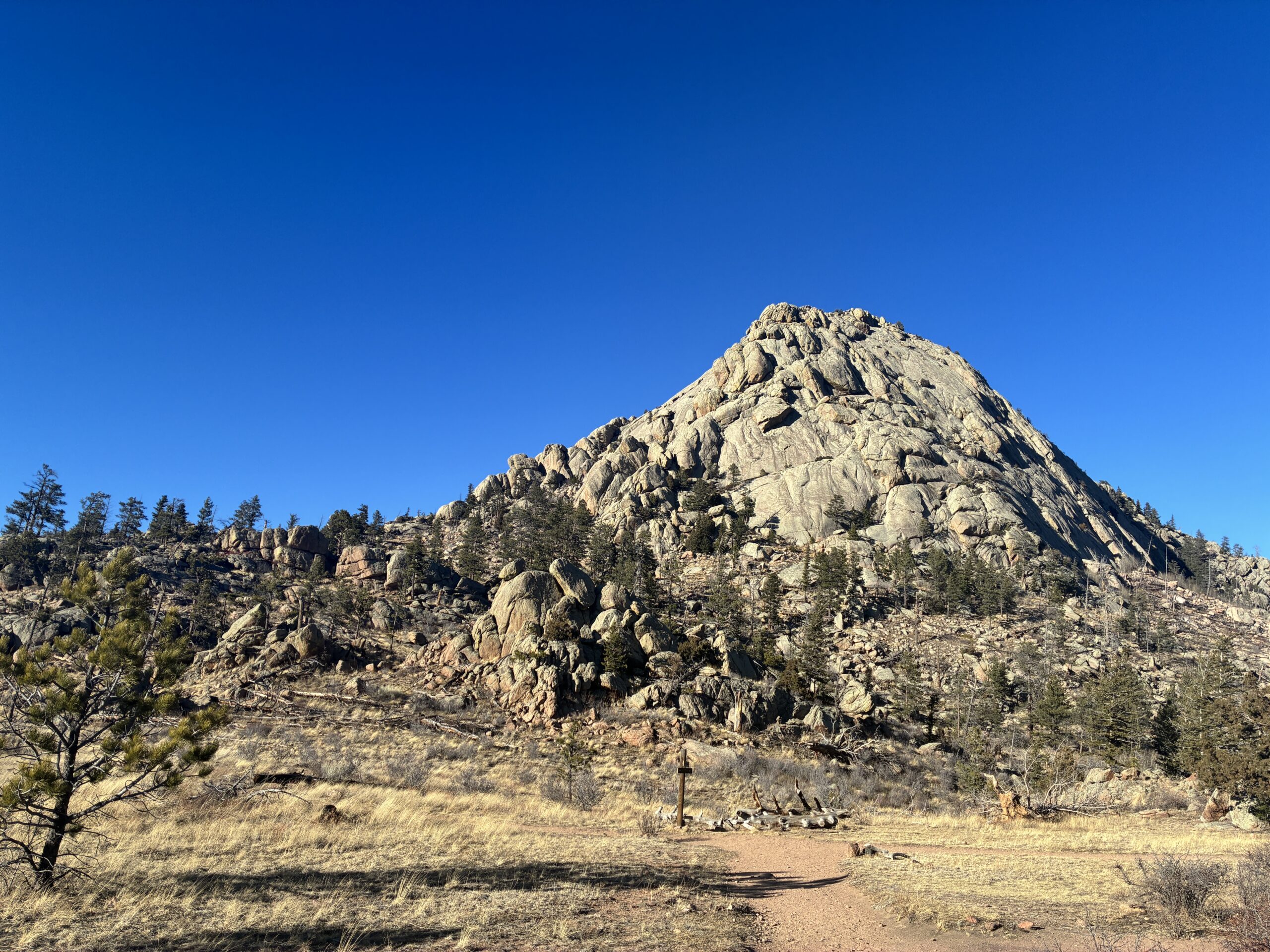
The truth is that I did not know what I was doing there. My go-to spot for hikes is Rocky Mountain National Park. At least that’s the case right now, in the off-season. I had come to this trail because it was close to where I was having dinner and the fact that time is a social construct does nothing to change my ability to slow it down. It met my criteria for length and elevation change, but there was nothing about the trail in particular that I was hoping to see. It was to me a tabula rasa.
Hiking up to the crest of a ridge, I was faced with a choice: turn around and be sure to make dinner on time, or keep going and find out what was beyond my line of sight. “Screw it,” I thought, “I’m going to be late anyway.” I plunged down the shoulder of the ridge and found it opening onto a large, relatively flat area surrounded by ridges and peaks like the rim of a bowl. I could imagine how it would look in summer, filled with green grass and wildflowers, like something out of the “Sound of Music.” But I could also see the raw beauty of this season of wind and frost that builds a quiet strength in roots and limbs.
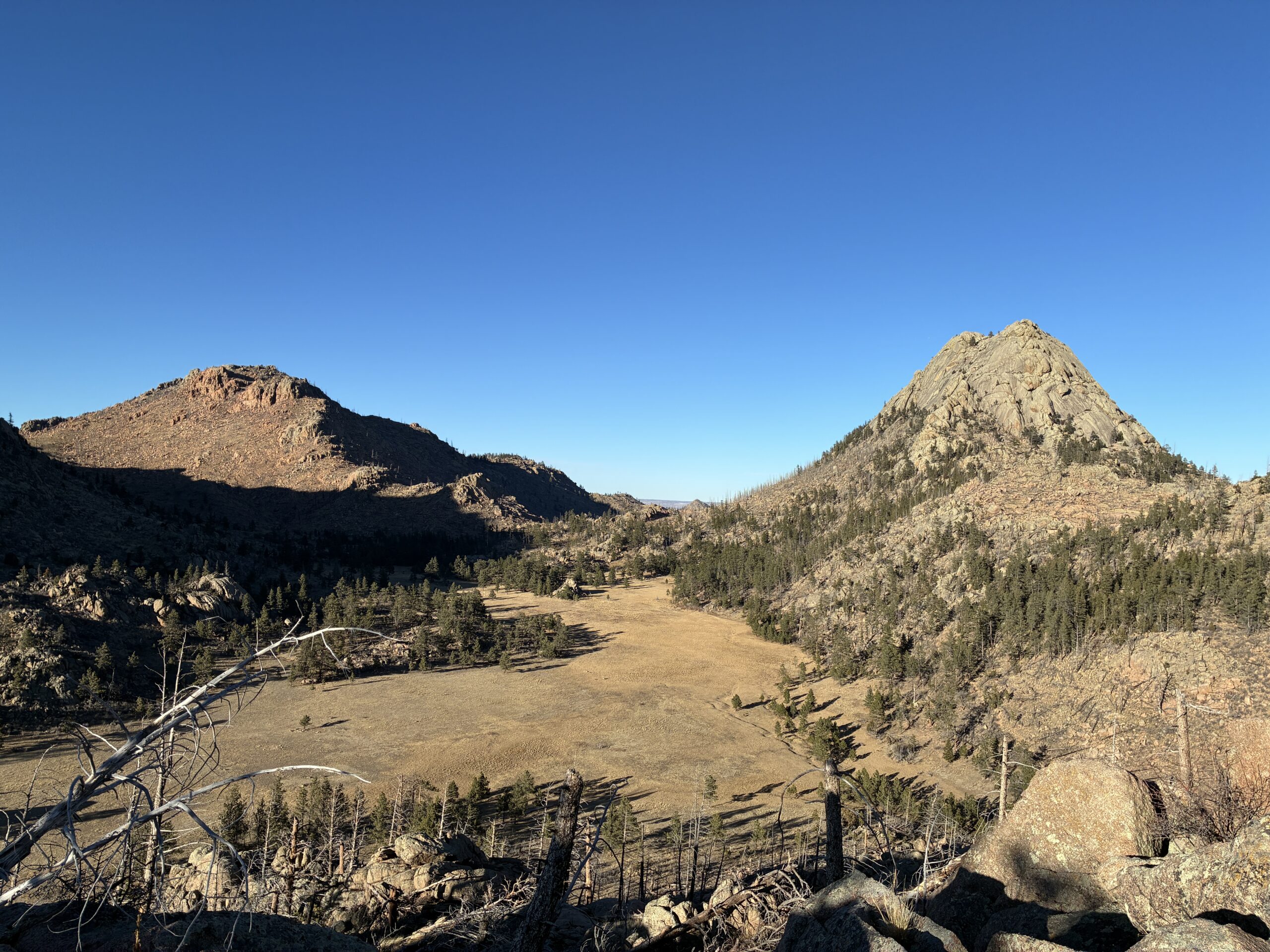
It obviously didn’t hurt that the day was clear and the pale yellow sun hung in a vivid cerulean sky. Everything was brought into focus in a way that could not help but give me a jolt of wonder and gratitude. My experience of that place in that season had been mediated by the weather of that day. On another day in another season with different weather, my experience might be quite different.
A few days later, I was at a celebration with a dear friend when it occurred to me that I was happy. I was happy like Maria in an alpine meadow on a sunny summer day. I noticed within me a willingness to experience that happiness, as if it were a type of weather. I knew that it would pass; not every day will be sunny, cerulean skies, but some are. Why did I not soak up that happiness in the way I would soak up the sun?
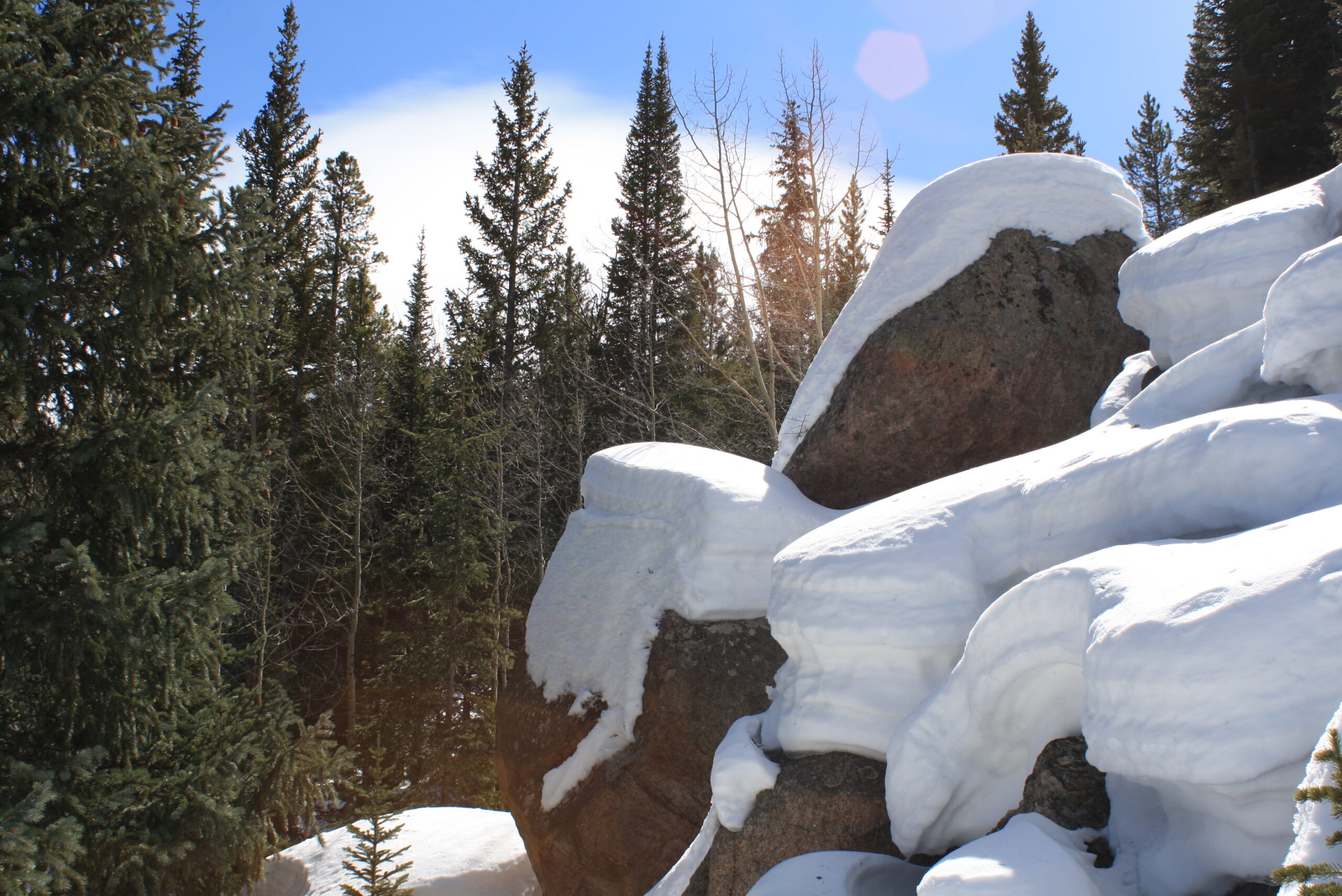
I’ve started to ponder emotions as weather. Happiness, sadness, anger and fear pass through our days, and we might experience more than one weather event in the span of 24 hours. In fact, it’s not all that unusual to see the sun shine in the midst of a downpour. And just like the circumstances of the Earth’s position relative to the sun produces seasons, the circumstances of our lives will change periodically. Even singing nuns know the melancholy sweetness of autumn.
Few of us, however, experience weather or seasons in solitude. Our colleagues and friends, our families who are near or far, and even the people we encounter on the road or in a coffeeshop, are moving through emotional as well as physical space with us. How we hold that space together might be climate we inhabit. As the psychic climate heats up, the emotional weather gets unpredictable and intense. By the same token, a frigid climate might be accompanied by an emotional freezing rain that makes interactions treacherous.
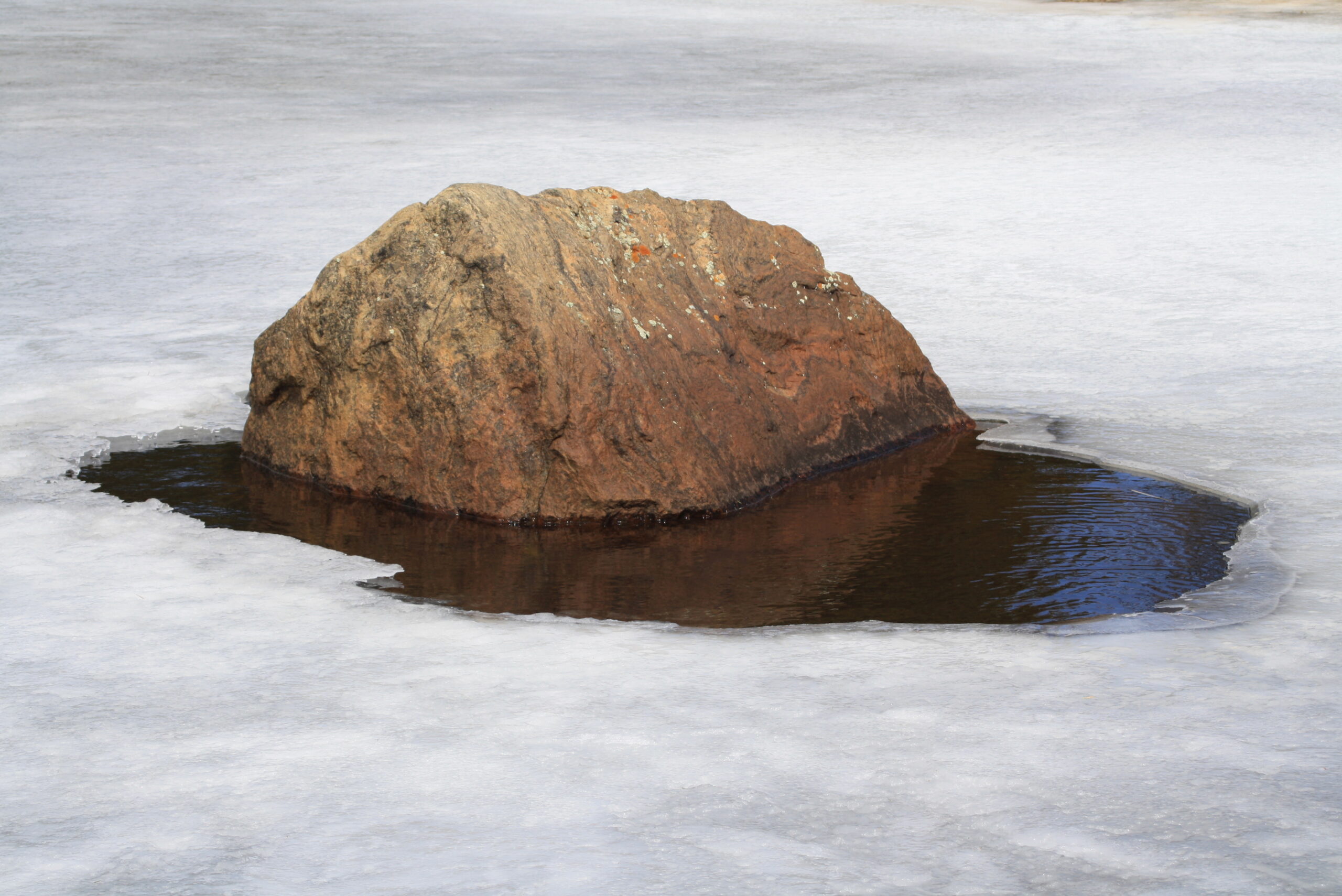
Why, our lips could turn blue just shooting the breeze”
Amidst all of this is an invitation. Don’t pretend that the weather is any different than what it is. Not carrying an umbrella (which are infinitely superior to rain jackets) on a rainy day is not brave, it’s foolish. Likewise, wearing all kinds of black layers in the middle of summer doesn’t make any sense. We can embrace the opportunities of each season, even while we acknowledge the constraints that particular circumstances put on us.
And we can contribute to the climate in which we live. Hatred and despair can be like emotional CO2, producing a greenhouse effect of animosity and alienation. Hope is like a tree that cools the space around it and makes breathing easier. Joy, like native flowers gone to seed, casts a field of awe and wonder — flowers that can be nourished by rain as well as sun.
I’m not naive about the challenge of trying to slow down, much less reverse, the process that is continually heating up our emotional climate any more than I think there are easy answers to the changes racing through our physical environment. I am aware of the structural obstacles to cooling either one. But I am also aware of the personal cost of not attempting to care for the space around us. Consuming spiritual and emotional high fructose corn syrup is no less damaging to my own health and the climate in which we live as subsisting on Twinkies would be. Not that I always make the healthy choice, but I know that I’m more likely to be happy on a sunny day when I’m in decent enough shape to go outside.